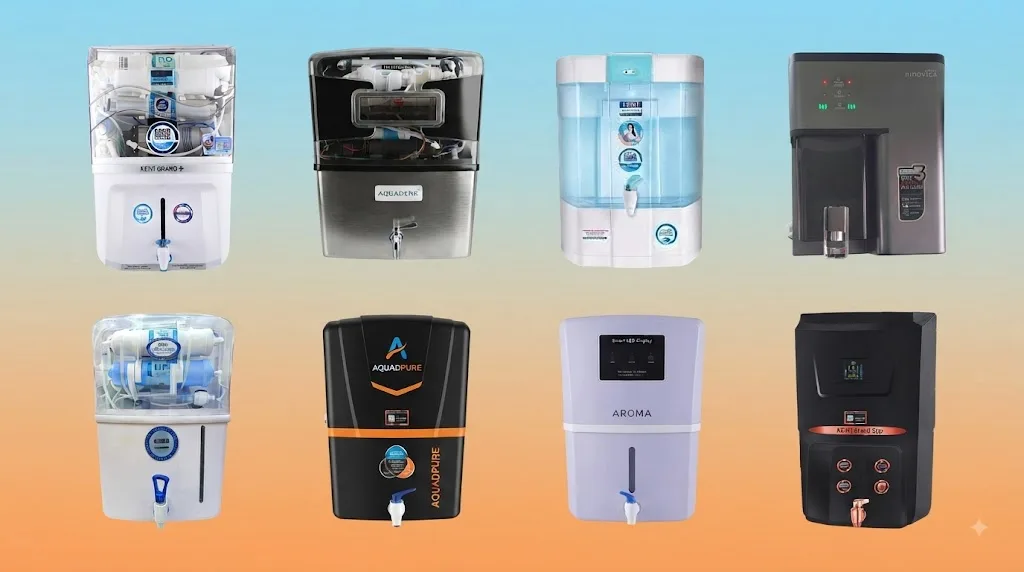
Walk into any electronics shop asking for "a good water purifier" and you'll likely be shown an RO system, whether or not you actually need one. The truth is simpler than the sales pitch: the right purifier for your home depends almost entirely on one number — the Total Dissolved Solids (TDS) level of your water source.
Start With Your Water Source
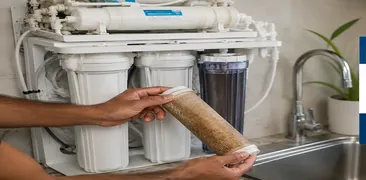
Most homes in and around Ghatkesar draw water from borewells, corporation supply, or a mix of both depending on the season. Borewell water in this belt commonly carries higher dissolved salts and minerals, which is exactly what RO (Reverse Osmosis) is built to remove. If your water tastes salty, leaves white residue on utensils, or measures above roughly 500 ppm TDS, RO is usually the right call.
When UV Alone Is Enough
UV (Ultraviolet) purifiers don't remove dissolved salts — they kill bacteria and viruses using ultraviolet light. If your water source is already low in TDS (typically treated municipal supply), running it through an RO system anyway wastes both water and money, since RO systems reject a portion of input water as waste. A UV or UV+UF combination is often the more sensible, water-efficient choice here.
Where UF Fits In
Ultrafiltration (UF) uses a membrane with slightly larger pores than RO — fine enough to remove bacteria and cysts, without needing electricity. It's a reasonable choice for low-TDS water where you want purification without power dependency, though it won't reduce dissolved salts the way RO does.
The Simple Way to Decide
- High TDS (borewell-fed homes, salty or hard water) → RO, often paired with UV as a secondary safety stage
- Low TDS (treated municipal supply) → UV or UF, saving water and running cost
- No electricity, need something basic and reliable → Gravity-based purifier with candle filtration
We test TDS on every home visit before recommending anything — it takes two minutes and removes the guesswork. If you're not sure which category your water falls into, that's the fastest way to find out.